+8613706519013
 BHC Polymer Additives Co., Ltd / Shanghai Crystal Wells Chemical New Materials Co., Ltd.


Introduction
Among the widely used ultra-accelerators in the rubber and latex industries, ZDBC (Zinc Dibutyldithiocarbamate) and ZDEC (Zinc Diethyldithiocarbamate) are two important compounds frequently used in fast-curing systems.
Although both belong to the dithiocarbamate class of rubber accelerators, they exhibit distinct differences in chemical structure, curing behavior, processing stability, and application suitability. Understanding these differences is essential for compounders, rubber technologists, and manufacturers aiming to optimize formulations for latex products, molded rubber goods, and specialty elastomers.
This article provides a detailed comparison of ZDBC vs ZDEC rubber accelerators, examining their structural characteristics, vulcanization performance, processing behavior, and industrial applications.
Chemical Structure Differences Between ZDBC and ZDEC
Both ZDBC and ZDEC belong to the zinc dithiocarbamate family, which is known for its extremely fast curing activity in rubber compounding. However, the key difference lies in the organic substituent groups attached to the dithiocarbamate ligand.
ZDBC (Zinc Dibutyldithiocarbamate)
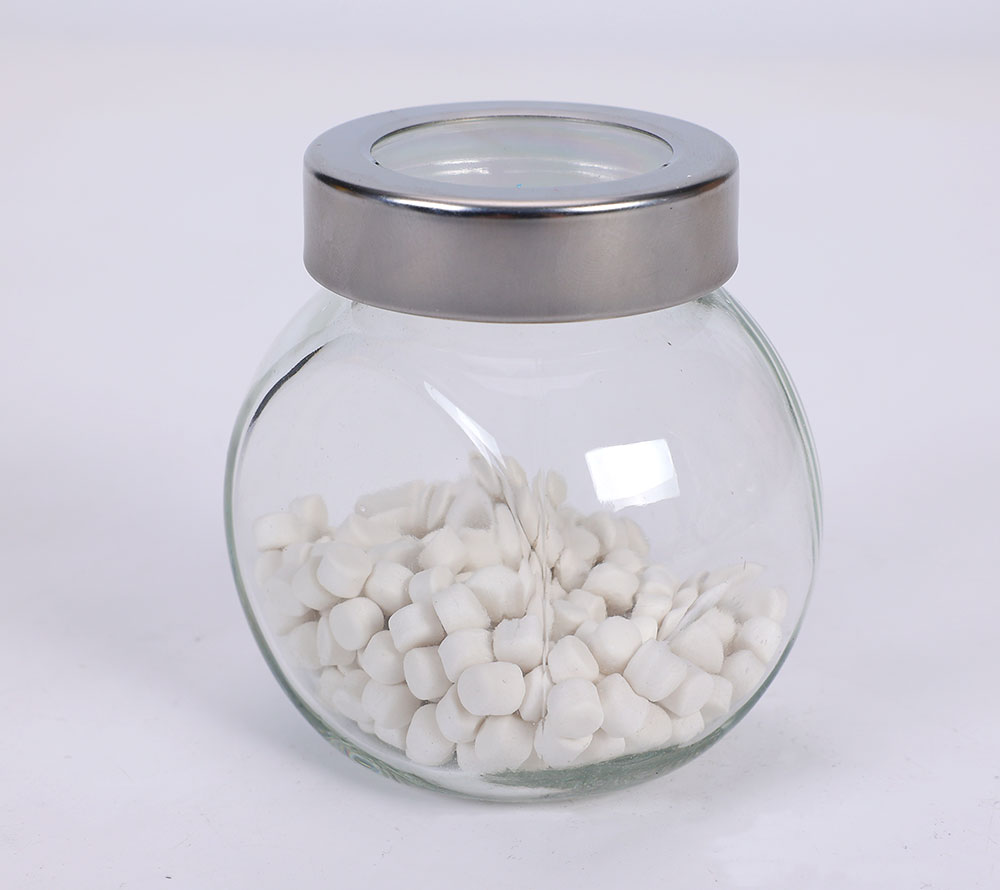
• Chemical formula: C18H36N2S4Zn
• Contains butyl groups attached to the nitrogen atoms
• Larger molecular structure with longer alkyl chains
• Lower volatility and improved stability
ZDEC (Zinc Diethyldithiocarbamate)
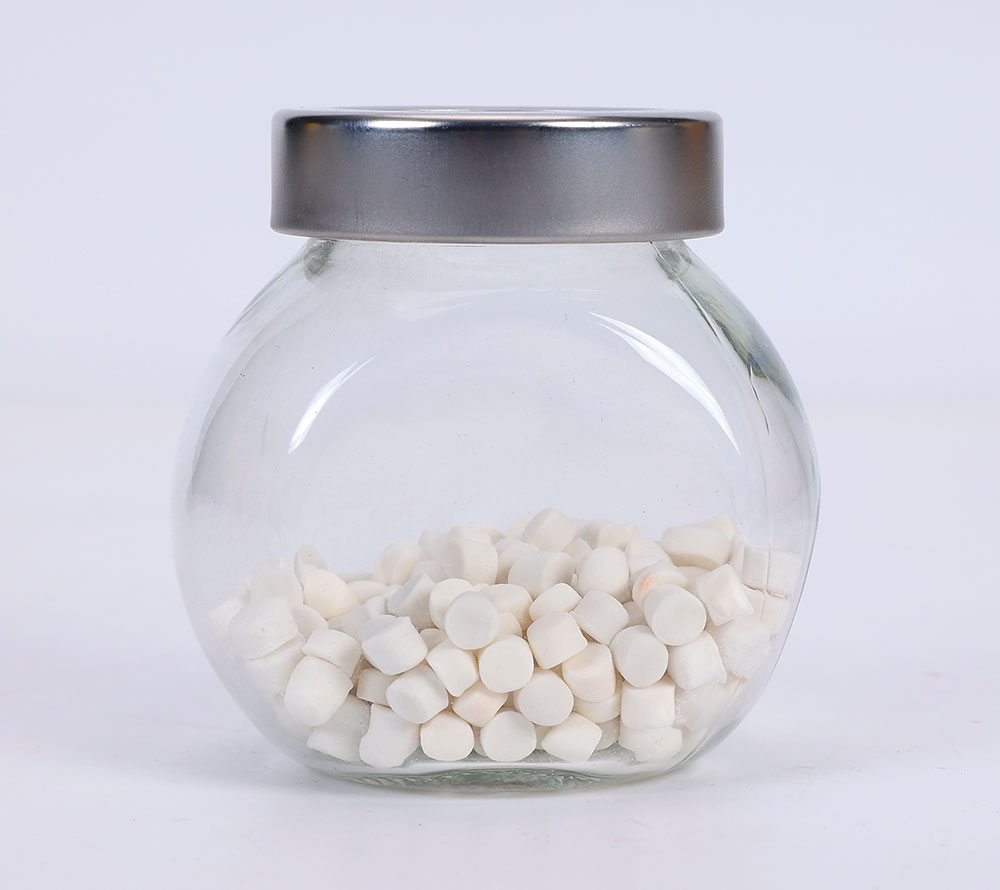
• Chemical formula: C10H20N2S4Zn
• Contains ethyl groups attached to the nitrogen atoms
• Smaller molecular structure
• Higher reactivity due to lower steric hindrance
The presence of longer butyl chains in ZDBC increases its molecular weight and reduces its mobility in the rubber matrix. In contrast, ZDEC’s smaller ethyl groups allow faster chemical interaction during vulcanization.
From a formulation perspective, this structural difference affects several performance parameters:
• Vulcanization rate
• Scorch safety
• Dispersion characteristics
• Compatibility with latex systems
Consequently, rubber technologists often select ZDBC for controlled curing and improved processing safety, while ZDEC is favored for extremely rapid cure systems.
Vulcanization Performance Comparison: ZDBC vs ZDEC
The primary function of both ZDBC and ZDEC is to accelerate sulfur vulcanization, particularly in natural rubber (NR) and latex systems. However, their curing behaviors differ significantly.
Cure Speed
ZDEC is generally regarded as a very fast primary accelerator. It rapidly promotes sulfur crosslinking, which shortens the vulcanization cycle and improves production efficiency. Because of its high activity, ZDEC is often used in ultra-fast cure formulations, especially in latex dipping processes.
ZDBC also provides fast vulcanization but is typically considered slightly slower than ZDEC. This moderate curing rate can be advantageous in processes that require better control over scorch safety.
Scorch Safety
Scorch safety refers to the time before premature vulcanization begins during mixing or processing.
• ZDEC: Lower scorch safety due to high reactivity
• ZDBC: Improved scorch safety because of its bulkier molecular structure
In industrial rubber compounding, improved scorch safety can help reduce the risk of premature curing during mixing, extrusion, or calendaring.
Crosslinking Characteristics
Both accelerators promote efficient sulfur crosslink formation, but their crosslink density and distribution may differ slightly depending on the formulation.
• ZDEC tends to produce rapid crosslink formation
• ZDBC enables more controlled network development
For latex-based products such as rubber gloves or dipped goods, balanced crosslink formation is essential for achieving elasticity, tensile strength, and durability.
Processing Characteristics in Rubber Compounds
Processing performance is a critical factor in industrial rubber manufacturing. The choice of accelerator affects mixing efficiency, dispersion, compound stability, and processing safety.
Dispersion Behavior
Modern rubber manufacturers frequently use pre-dispersed rubber accelerator masterbatches, which significantly improve the dispersion of chemicals in rubber matrices.
ZDBC typically demonstrates excellent dispersion characteristics, especially when supplied in pre-dispersed forms such as ZDBC(BZ)-80 masterbatch. This form reduces dust generation and ensures uniform distribution in rubber compounds.
ZDEC, due to its high activity, must be carefully controlled during mixing to prevent localized over-acceleration.
Processing Stability
ZDBC is often preferred in processes where temperature control and processing stability are critical, such as:
• extrusion of rubber profiles
• calendaring operations
• latex dipping lines
Because ZDEC reacts more quickly, processors must ensure precise temperature management and controlled dosing.
Compatibility with Rubber Systems
Both accelerators are compatible with several elastomer systems, including:
• Natural rubber (NR)
• Styrene-butadiene rubber (SBR)
• Nitrile rubber (NBR)
• Latex compounds
However, ZDBC is especially valued in latex compounding because it provides fast curing without excessively increasing the risk of premature vulcanization.
Conclusion
ZDBC and ZDEC are both highly effective dithiocarbamate rubber accelerators, widely used in sulfur vulcanization systems for natural rubber and latex products. Despite belonging to the same chemical family, they differ in molecular structure, curing behavior, processing characteristics, and industrial application suitability.
In general:
• ZDEC offers extremely fast curing and is widely used in high-speed latex manufacturing processes.
• ZDBC provides improved scorch safety, better processing control, and excellent dispersion in rubber compounds.
Selecting the appropriate accelerator requires a comprehensive understanding of rubber formulation requirements, processing conditions, and final product performance goals. By carefully evaluating these factors, manufacturers can optimize vulcanization systems to achieve higher efficiency, better product quality, and more reliable industrial performance.
For companies operating in the rubber and latex industries, choosing the right accelerator—whether ZDBC, ZDEC, or a combination of both—remains a critical factor in achieving consistent and high-quality rubber products.